
Welcome to our In Focus series, where we dive into the key issues shaping responsible mineral supply chains. Through conversations with experts, we unpack the challenges, innovations, and real-world solutions emerging from our work with governments, the private sector, and artisanal miners to support their communities. This series features stories and insights from IMPACT’s team and partners, touching on our five focus areas: regulatory and legal reform, supply chain transparency, illicit trade, gender equality, and environmental stewardship. Together, we explore how policies can align, stakeholders can collaborate, and equitable practices can take root in the artisanal mining sector.
In this issue, we feature insights from Armel Nganzi, IMPACT’s Technical Advisor based in Democratic Republic of Congo. Armel offers a perspective on equitable development rooted in local realities, examining what a just energy transition should look like for mineral-producing countries. He reflects on the risks of exclusion, the importance of community engagement from the outset, and the need for stronger governance to ensure that the shift to a greener economy results in fair and lasting benefits for those closest to extraction sites.
More than twenty years ago, the global conversation focused on conflict minerals. Today, attention has shifted to critical minerals needed for the energy transition. Are the minerals or the issues affecting producing communities any different?
Armel: Over twenty years ago, the focus was primarily on protecting communities from conflict, violence, and displacement, while restoring peace. While this remains an issue, the focus now includes ensuring communities receive an equitable share of the benefits from minerals—especially as their extraction becomes increasingly important in the energy transition.
When communities have access to opportunities, services, and a fair share of benefits, they are far less likely to be drawn into conflict or instability. This principle applies not only to conflict minerals or critical minerals, but to all mining. Ultimately, success should be measured by how people thrive and develop within their communities.
This shift we’ve been seeing also affects governance structures, stakeholder dynamics, and the strategies adopted to achieve impact. In the case of conflict minerals, attention was focused on a handful of commodities: tin, tantalum, tungsten, and gold—especially when produced through artisanal and small-scale mining (ASM). Industrial mining played a limited role in these supply chains and was not the main source of the risks being addressed. In contrast, many of the concerns shaping today’s critical minerals debate are relevant to Large Scale Mining (LSM).
Issues such as land agreements, environmental impact, and national economic policy are tied to LSM operations. While ASM is still relevant, it is not the primary driver of the current global attention on critical minerals. The number of stakeholders was also limited, mostly involving producers and exporters concentrated in regions such as Africa’s Great Lakes. In contrast, the energy transition has brought a broader range of critical minerals into focus, including rare earth elements, cobalt, copper, lithium, and manganese, among others. This shift has drawn in a diverse and globally distributed set of actors.
We are seeing new producer countries, increased engagement from international NGOs, a growing body of experts, and heightened interest from both the private and public sectors worldwide. Moreover, the implications of critical mineral governance extend far beyond individual countries. Unlike the largely regional conflict minerals agenda, the energy transition has elevated the discourse to the global stage. The stakes are now universally recognized, as these minerals are essential to achieving climate goals, ensuring energy security, and fostering sustainable development.
So yes, while the final goal is to improve the well-being of affected communities is similar, the pathways, scale and challenges we face today are very different.
We often hear the term just transition – but ‘just’ for whom? How can communities in the artisanal and small-scale mining (ASM) sector be meaningfully included in defining what ‘just’ looks like?
Armel: That really is the question: just for whom? In the end, it isn’t the word that matters, but how we act and move forward. How do we reach a point where producers, governments, companies, miners, and communities all benefit from natural resources and feel that those benefits are fair and meaningful?
It is difficult to say, as the needs of ASM communities vary greatly across regions, countries, and even individual mine sites. In my view, the key is to involve communities and stakeholders in designing activities from the very start of any project.
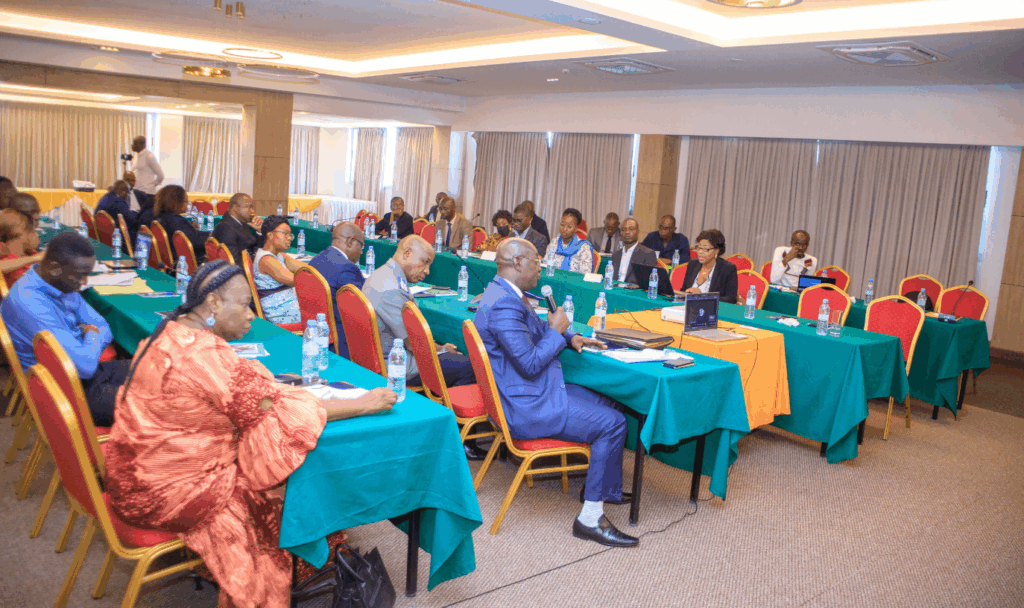
If we want to achieve a just transition, all communities and stakeholders need to be informed about what the mining project will entail so they can express their needs and help shape expected outcomes. Governments must also engage early to ensure that basic needs are met and that development programs are properly planned and implemented.
A just transitionmeans that communities are satisfied with what they receive, governments achieve their development goals through resource revenues, and the private sector continues to thrive. Everyone has a stake in defining and achieving this balance.
The just transition is often defined by job shifts and green infrastructure, especially in the Global North. What should a just transition mean for mineral-producing communities in the Global South, where many governments are more dependent on oil, gas and mining revenues, and face a different set of development challenges?
Armel: Fears about automation and job loss are often discussed in the context of energy transitions, but for mineral-producing countries, these are not the most urgent challenges.
For producing countries, a just energy transition can bring increased finance and investment. However, this depends on the terms negotiated between governments and their counterparts in the Global North.
Industrialized countries such as China, the EU, USA, the UAE, and Russia are competing for access to critical minerals. While this presents a significant opportunity for producing countries, it will only translate into meaningful benefits if these countries strengthen transparency, enforce anti-corruption laws, and establish clear accountability mechanisms to ensure the fair and equitable management of mineral revenues by improving their global governance practices.
Activists are also calling for investment that builds infrastructure, generates income, and meets communities’ basic needs. A just energy transition for producing countries should mean more infrastructure, better healthcare, improved education, more jobs, better transportation, and diversified income sources that support real long-term development.
How is the growing demand for critical minerals contributing to conflict, geopolitical tensions, or increased insecurity in producing regions?
Armel: It is not accurate to say that the demand for critical minerals directly leads to conflict or insecurity. The core issue is how resources are managed. Corruption, nepotism, and tribalism are key drivers of unrest. When groups feel excluded from revenues, they protest, and others exploit the unrest to gain control.
In Democratic Republic of Congo (DRC) for example, the governance of mineral wealth has long been a source of contention. Despite the country’s vast deposits of cobalt, coltan, and other critical minerals, local communities often see little benefit. Weak institutions, illicit trade networks, and limited state presence in mining regions have allowed armed groups and political elites to compete for control-often violently. The result is a cycle of exploitation and insecurity, where the growing international demand intensifies existing grievances and power struggles.
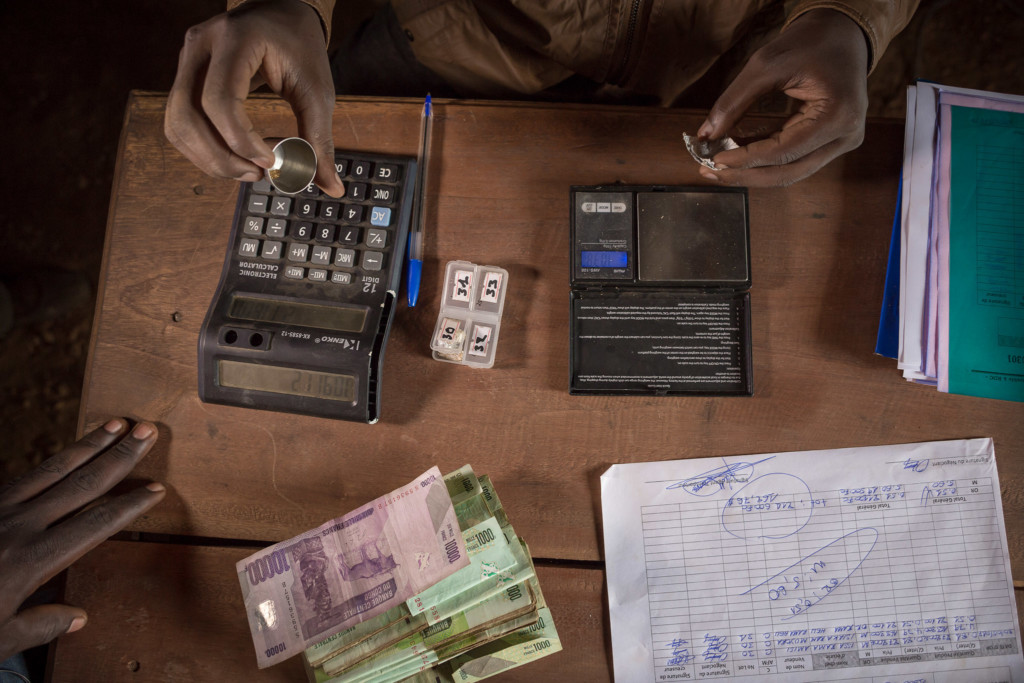
As critical minerals prices rise and global competition for these resources grows, so does the incentive for non-state actors to assert control, further intensifying instability. Illicit trade in these minerals sustains corruption and undermines peacebuilding efforts. While minerals alone do not cause conflict, they can amplify fragile governance and security dynamics in producing regions.
To reduce conflict, attention must go beyond just the type of mineral and focus on transparency, good governance, and ensure that communities benefit. We have seen in the past, whether with 3TG or with diamonds, that when communities are excluded from the benefits of extraction, conflict and violence can follow. The current race for critical minerals could trigger similar dynamics if governance challenges remain unaddressed. Many governments are reviewing their legal frameworks and adding governance clauses. However, implementation remains weak. Strengthening governance must be our main priority if we want to end the cycle of conflict and insecurity tied to mineral wealth and ensure benefits are shared fairly.
This includes addressing illicit trade and weak oversight that allow mineral wealth to be captured by armed groups or elites. Without robust enforcement and inclusive resource management, demand for critical minerals will continue to be a destabilizing force rather than a development opportunity.
However, we are witnessing a strategic and geopolitical race to control the supply of critical minerals around the globe. While China has been particularly dominant, initiatives are increasingly emerging among other consumer countries, which are more directly interlacing defense capabilities and economic interests with control of and access to mineral supply chains. The involvement of the United States in the peace agreement between Rwanda and the DRC, signed on December 4, 2025, is one example among others. It is crucial that producing countries also develop strategies that strengthen the governance of extracted resources and ensure benefits for local communities, particularly through sustainable investments in social infrastructure and development. While isolated examples exist in Africa, this needs to become a coordinated regional strategic effort to make sure this transition benefits producing countries and their communities.
What are the consequences of failing to integrate a development approach into strategies for the Just Transition? How can we ensure that mineral extraction for the green economy does not continue to exclude or exploit local communities?
Armel: The consequences of excluding local communities from mining projects are already visible: site invasions, conflicts with local populations, destruction of property, and, in the worst cases, violent clashes. There are also frequent cases of embezzlement of public funds and mismanagement. These issues stem from communities not having a voice in project management or in decisions about how revenues are distributed.
This is why early and meaningful community engagement is essential. Communities should be consulted to understand their needs, expectations, and vision. This helps define the foundation for a balanced collaboration between all stakeholders.
Community inclusion must be supported by a strong legal framework that ensures they genuinely benefit from the project’s outcomes, as seen in DRC, where the revised Mining Code of 2018 introduced mandatory community agreements, local development contributions, and mechanisms to ensure fairer sharing of mineral revenues. But, beyond regulatory compliance, companies should also view community engagement as central to risk management and long-term success, not just a box to tick.
It is important to recognise that the healthier the relationship with local communities, the more stable and successful the business will be in the long run. There are many cases where mining operations have been down due to poorly managed community relations, resulting in significant financial losses.
To prevent such outcomes, it is crucial to establish a collaborative platform early in the project. This platform should bring together communities, the government, and the private sector to ensure that community priorities and public interests are reflected in project decisions. At the same time, it allows companies to communicate their limitations and constraints clearly, creating a space for fair and transparent dialogue.
The race for critical minerals often prioritizes the needs of North America and Europe, raising concerns that the just transition may be replicating colonial patterns of extraction under a greener label. What would it take to build supply chain relationships that genuinely center equity, shift power, and deliver shared benefits for producing countries in the Global South?
Armel: I may not agree with outright condemnation of the countries of the Global North. Every nation ultimately seeks profit for the benefit of its own people. Even though producing countries possess natural resources, they often lack capital needed to develop and add value to those resources. Most of the time, this capital comes from the Global North. In my view, the real issue lies in how producing countries structure investment deals and negotiate fair revenues-sharing arrangements.
It is the responsibility of producing countries to attract investment while securing fair terms that allow them to retain control over their resources. To shift the balance of power, countries must focus on creating added value by investing in local processing and transformation. This would generate more foreign currency and help transition these economies from consumers of finished goods to exporters of higher-value products. To achieve this, producing countries must aim for greater investment autonomy and prioritize local processing. This requires internal reforms that create an investment environment that is more attractive to investors and protective of national interests, with contracts that benefit both investors and the state.
What should be the role of each stakeholder in ensuring a just energy transition?
Armel: Ensuring a just energy transitionis not the sole responsibility of the private sector. While the private sector plays an important role by providing much-needed capital, its primary focus remains on business and profitability. That said, a just energy transition should offer a framework that supports sustainable and profitable business models.
Each stakeholder has an essential role to play, including local communities. It is only through multi-stakeholder collaboration, where every party takes responsibility, that a just transition can be achieved:
- The private sector must operate in ways that respect community rights and respond to local needs through genuine dialogue and negotiation.
- Communities must articulate their needs, expectations, and their vision for the future so they can actively shape the projects that affect them.
- Governments must set the right indicators and mechanisms to encourage both private sector engagement and community participation, while also establishing the structures needed for sustainable development and respects the rights of people impacted by the actions of the private sector.
It is also important to recognise that the reality of this transition will not look the same in every country. Therefore, it is essential to design country-specific strategies for critical minerals, to ensure the transition is both just and appropriate to each context.

Meet Armel Nganzi
Armel is a Technical Advisor with IMPACT, based in Democratic Republic of Congo. He previously served as Project Manager for the Cobalt for Development (C4D) project from 2019 to 2021. He has over 17 years of experience managing development and cooperation projects related to natural resource governance. His expertise spans due diligence, traceability, responsible minerals, implementation of OECD guidelines, mineral supply chain practices, gender, child labour, human rights, environmental protection, and transparency. Armel holds a Master’s degree in Earth Sciences and a Master’s degree in Natural Resources Valorization and Exploration.