In 2025, the Her Security project funded by the European Union and implemented by IMPACT in partnership with Bon Pasteur and the Extractive Industries Transparency Initiative (EITI), entered a decisive phase of its implementation in the provinces of Haut-Katanga and Lualaba.
After one year of implementation, the Her Security project has achieved encouraging results in the provinces where it is helping to prevent child labor in the artisanal copper and cobalt mining sector while enhancing the safety, empowerment, and resilience of women and adolescent girls.
This shift toward action has notably resulted in:
- The formation of women’s groups in mining communities;
- The development of economic alternatives to artisanal mining;
- Improved access to health and protection services;
- The establishment of the foundations for community savings mechanisms;
- Capacity-building for mining sector stakeholders on due diligence and the protection of human rights.
Strengthening the economic resilience of women and adolescent girls
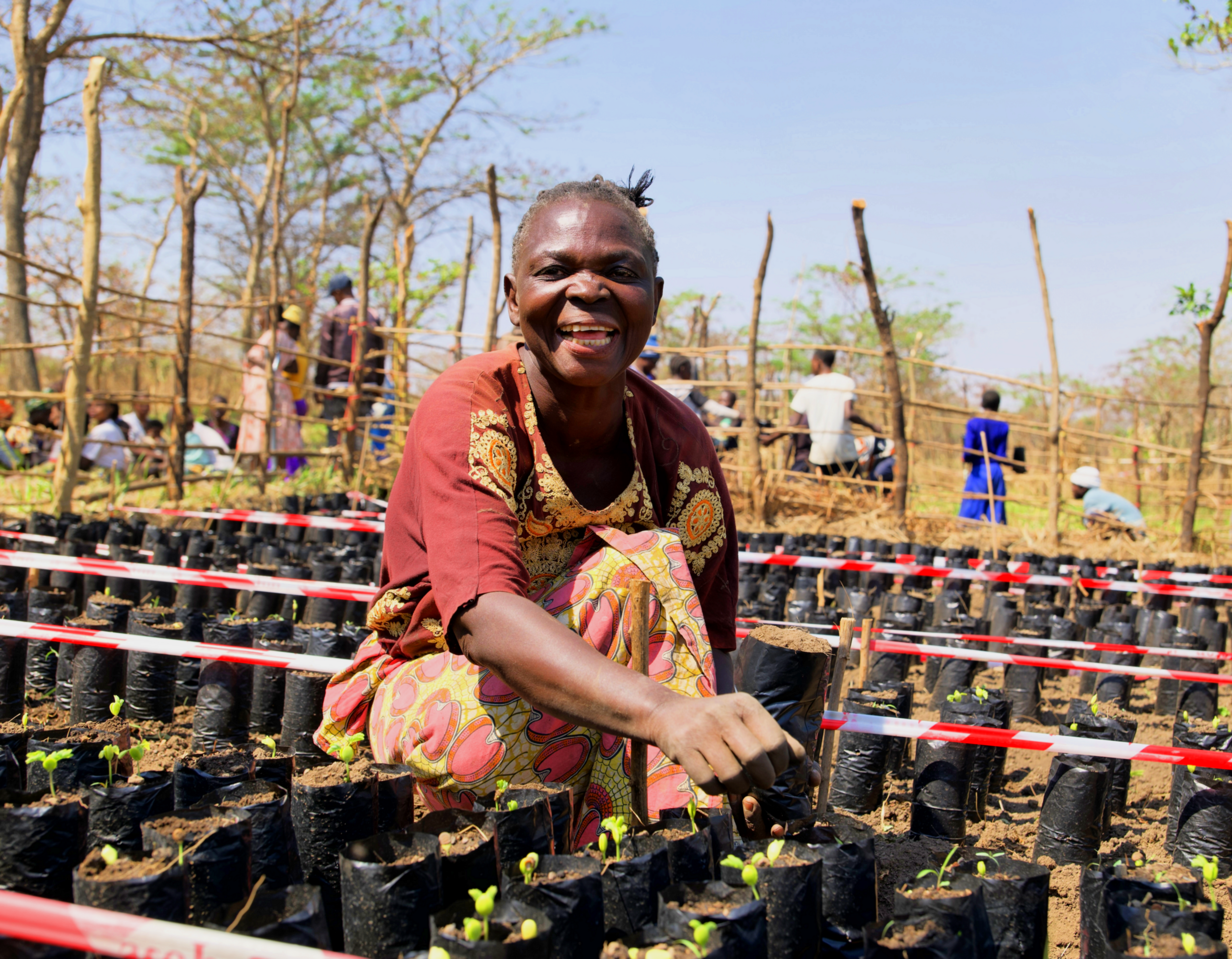
2025 was marked by the creation and support of 80 local women’s groups in six mining communities in Haut-Katanga and Lualaba. Today, these groups serve as an essential framework for participation, mutual support, and economic development for women and adolescent girls.
At the same time, 262 women and adolescent girls received vocational training in sewing, cosmetology, and culinary arts and pastry making. To promote their economic independence, the project supported the creation and expansion of 36 income-generating activities and equipped several community workshops with 33 sewing machines. These initiatives offer sustainable alternatives to high-risk mining activities while strengthening the beneficiaries’ ability to provide for their households.
The project also laid the groundwork for the establishment of Village Savings and Loan Associations (VSLAs). Capacity-building activities in financial management, governance, and record-keeping helped lay the foundation for savings mechanisms tailored to the realities of mining communities and the specific needs of women.
Improving Community Well-Being and Resilience
Beyond economic opportunities, the Her Security Project has helped improve the well-being of populations in the project areas. Thanks to the mobile clinic operated by Bon Pasteur Kolwezi, 1,059 people received basic medical care. At the same time, awareness-raising activities on maternal and child health, along with capacity-building for healthcare staff, have led to a sustainable improvement in access to essential services. These interventions have also fostered positive changes within communities regarding social and health practices, thereby helping to strengthen their ability to cope with economic and social challenges.
Promoting More Responsible Mining Governance
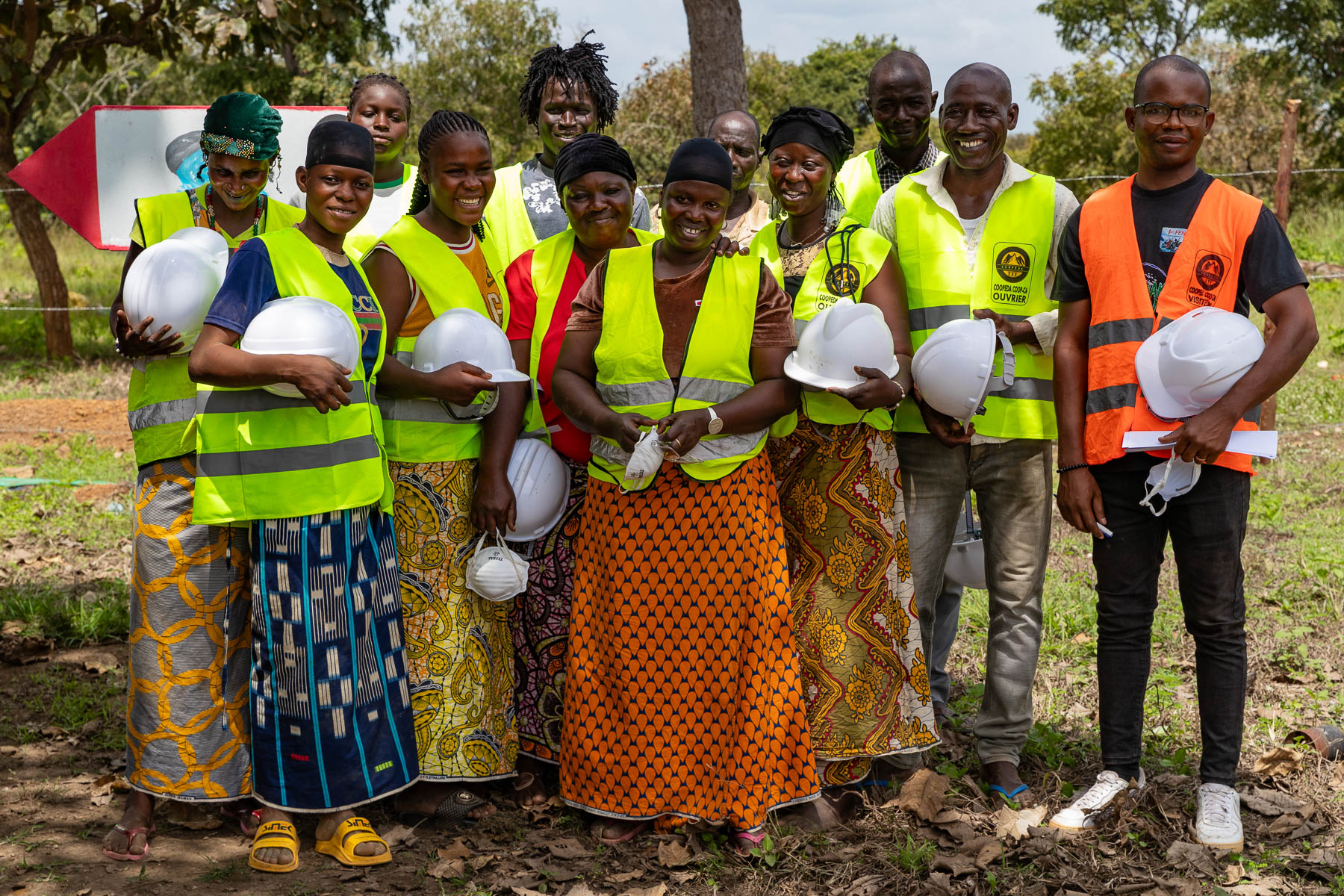
The project continued its efforts to promote more responsible governance of the artisanal mining sector. Two training workshops held in Lubumbashi and Kolwezi brought together 60 sector stakeholders to strengthen their understanding of international due diligence standards, particularly those of the OECD. Following these training sessions, more than 91% of participating authorities and technical services demonstrated improved capacity to prevent risks related to child labor and human rights violations in mining supply chains.
Laying the Foundations for Sustainable Change
2025 affirmed that the resilience of mining communities is built through economic empowerment, women’s leadership, access to essential services, and more inclusive and accountable governance. By laying these foundational pillars in its very first year, the Her Security project is creating the conditions necessary for sustainable change.
The next phase of the project will focus on the effective implementation of VSLAs, the consolidation of income-generating activities, the rollout of advocacy efforts against child labor, and the intensification of multi-stakeholder community dialogues. The goal is to transform the achievements of this first year into sustainable results that benefit women, children, and mining communities in Democratic Republic of the Congo.