Goal
To improve mineral resource governance in Africa’s Great Lakes region, contributing to the consolidation of peace and security.
The Context
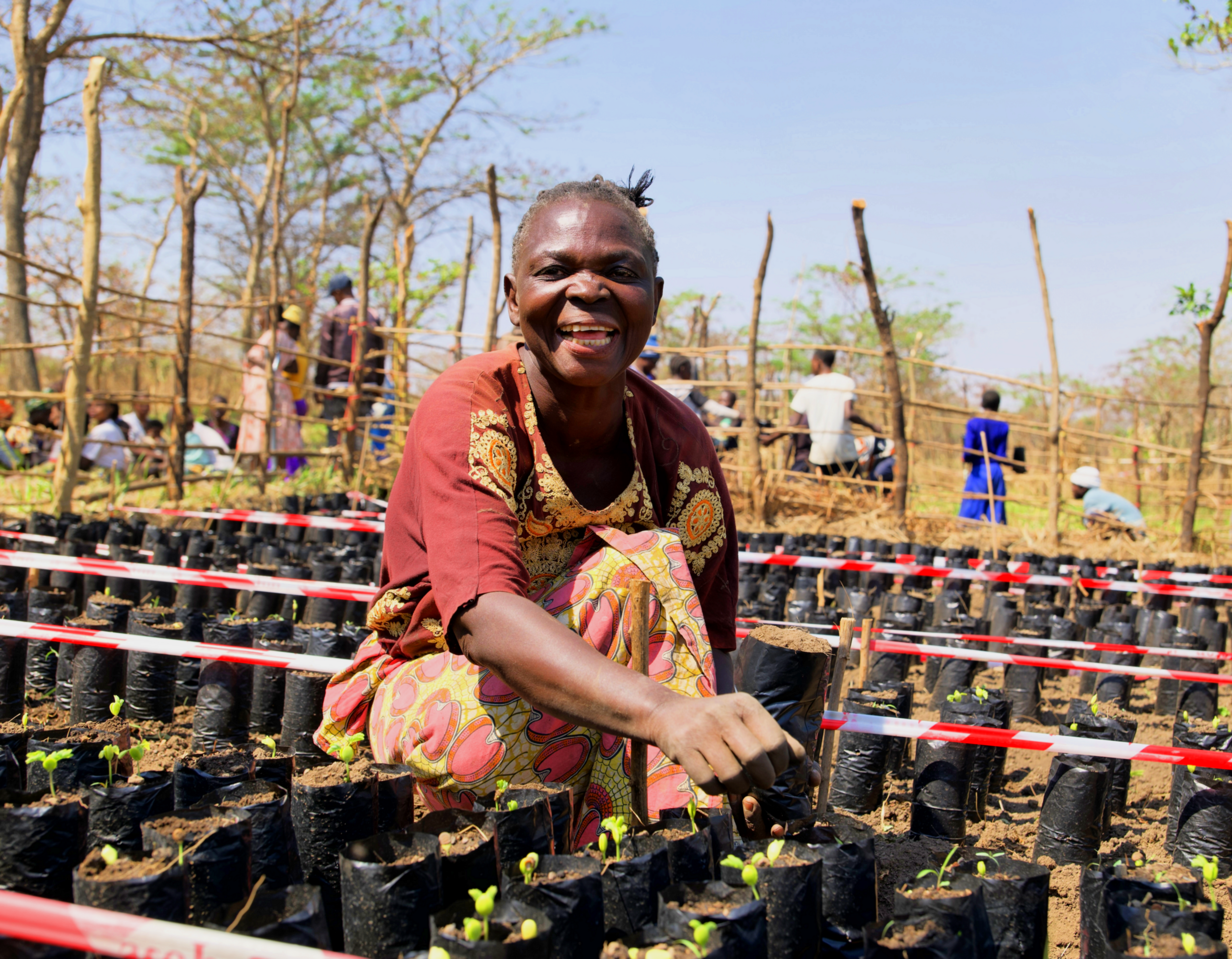
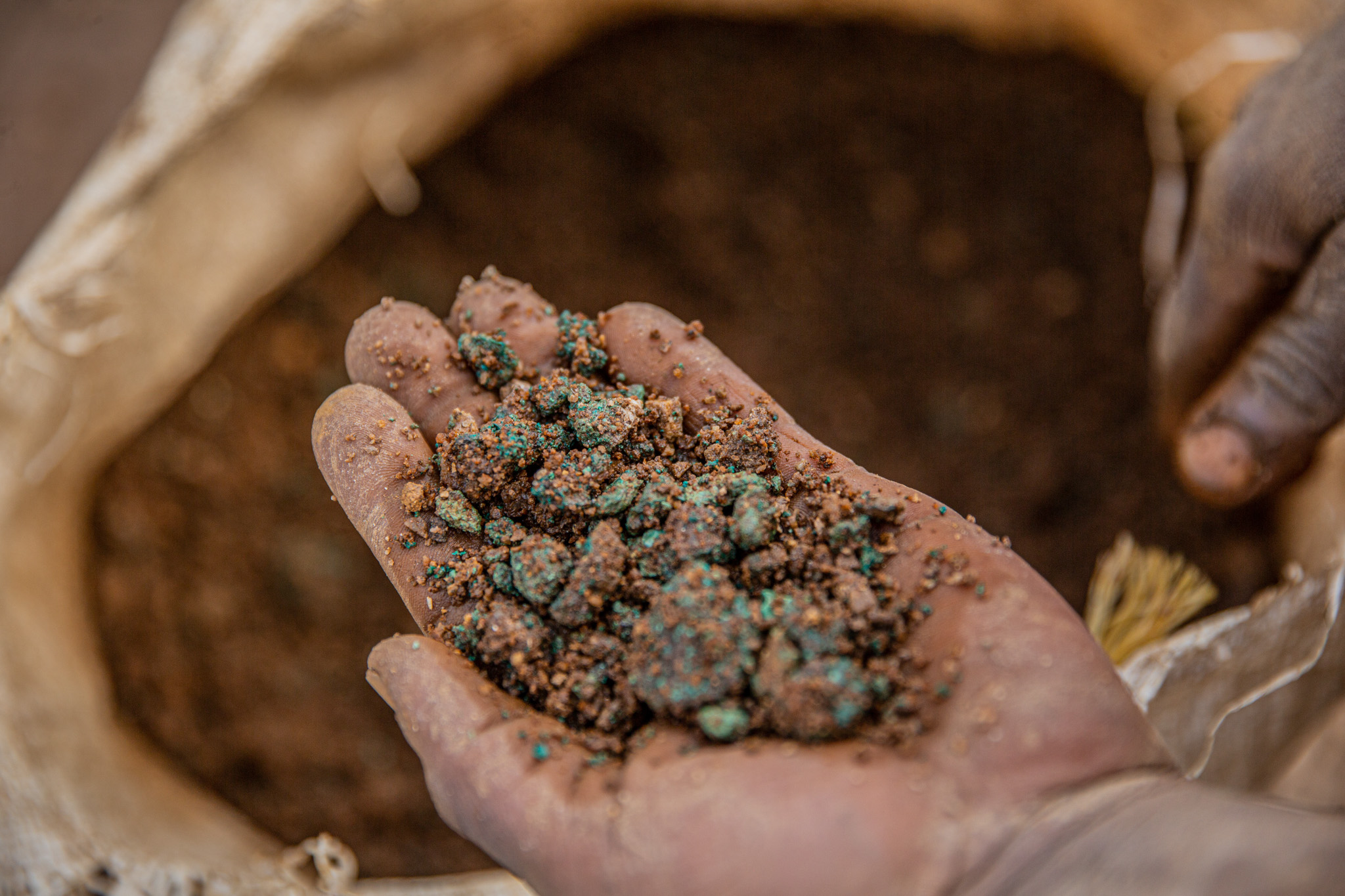
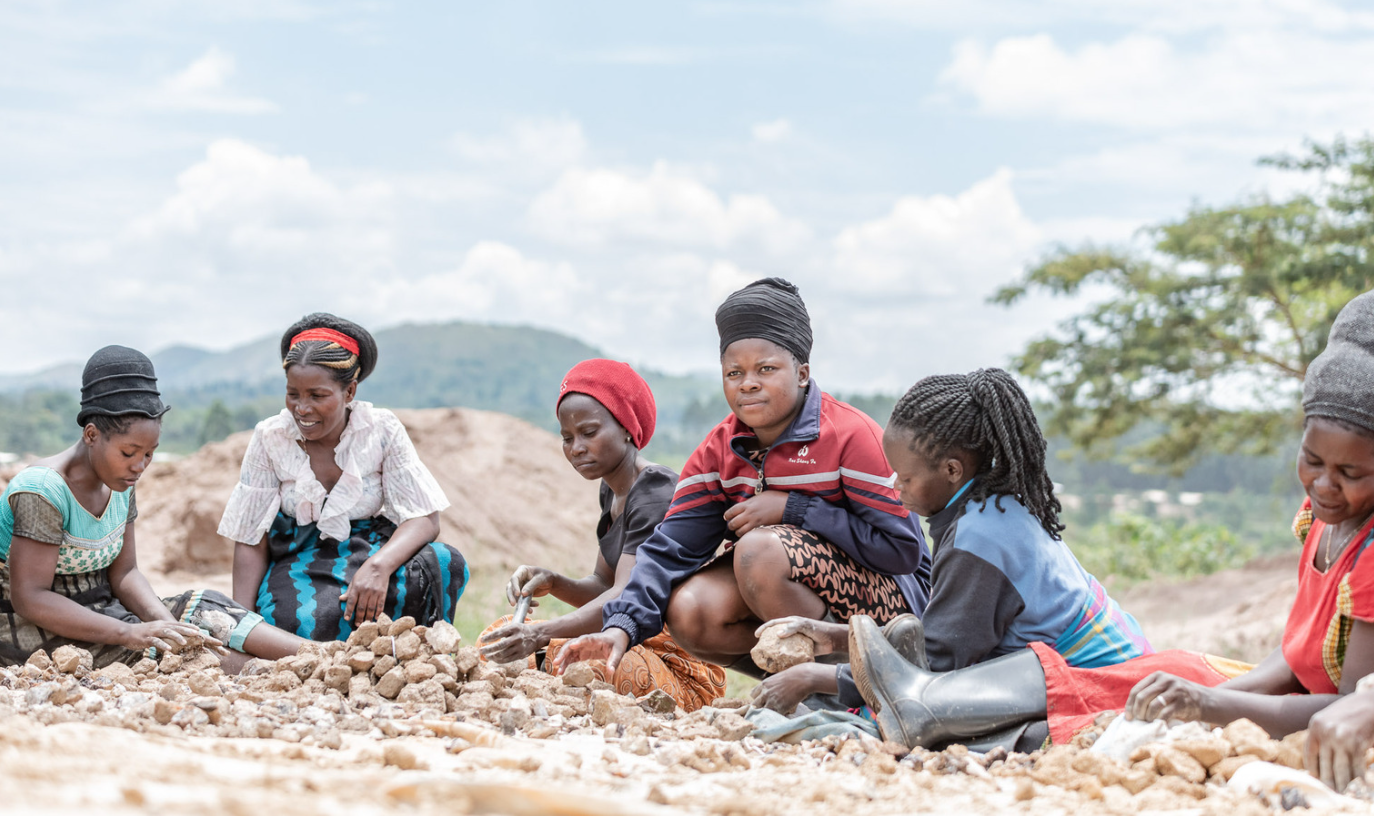
Artisanal and small-scale mining (ASM) is an important livelihood for over five million people in the region. While much spotlight has been on Democratic Republic of Congo’s (DRC) minerals sector and its ties to conflict financing, the linkages to cross-border smuggling, and informal supply chains of other ICGLR countries have increasingly come into focus in recent years.
Artisanal mining remains largely informal and is prone to widespread corruption and violence. Artisanal mining communities are more susceptible to being exploited by armed groups and other illicit actors. At mines where armed forces are present there are instances of human rights abuses, dangerous working conditions, child labour, and gender-based violence. While women take on a variety of roles in gold mining, they often face discrimination that limits their opportunities to fully benefit from the sector.
Of the four recognized conflict minerals—tin, tungsten, tantalum (3Ts) and gold—gold is considered the most significant in terms of conflict financing and revenue lost by ICGLR Member States because of contraband exports. In 2015, research estimated that the smuggling of ASM gold deprives governments of the region of tax revenue up to $22 million USD per year. As an alternative to paper currency, gold is often favoured for money laundering and illicit trade. It is a high-value, easy-to transport mineral, making it vulnerable to smuggling and an ideal target for armed groups.
While traceability and due diligence mechanisms have been implemented for the 3Ts, it appears that smuggling of gold from DRC and other high-risk contexts is thriving. Many buyers of artisanal gold in transit points and trading centers don’t seem to question where it comes from, whether it’s been traded and exported legally, whether it’s funding armed groups, or contributing to human rights violations.
What We Are Doing
The Regional Project to Contribute to the Improvement of Mineral Resources Governance in the Great Lakes Region, implemented by IMPACT within the framework of the European Union’s Peace and Security Programme aims to improve mineral governance in the region while advancing security, stability, and development. The project builds the capacity of the International Conference on the Great Lakes Region (ICGLR) and its Member States to address artisanal mineral flows and harness their potential as drivers for economic and social development, as well as stability and security.
The project will:
Improve the control of artisanal mineral resources
- Validation and endorsement of revised RINR
- Model law updated and validated
- Strategy for ratification of revised RINR by Member States
- Implementation Guidance for revised RINR
- Sensitization on Formalization Guidance and its implementation
- Analysis and training on in-region value addition
- Evidence-based knowledge sharing meetings
- Monitoring tools to evaluate progress and impact
- Consultations, workshops, meetings
Apply best practices to artisanal gold exports
- Identification of best practices for gold export
- Training on best practices for controlling gold flows
- Engagement with upstream private sector actors on implementation of ASM gold strategy
- Engagement with international trading hubs
- Guide for supply chain actors on their role in implementing the RCM and RINR
- Consultations, workshops, and meetings
Adopt improved Regional Certification Mechanism (RCM) systems
- Data compatibility review
- RCM benchmarking and plan of action
- Capacity building to enhance ICGLR Regional Database
- Data security and sharing protocols
- Training on data analysis and reporting
- Assessment on supporting RCM conformant artisanal gold chain of custody systems
- Alignment assessments
- Engagement with international market actors
- Consultations, workshops, and meetings
Download a description of the project. Also available in Portuguese.
Project Stories
Story
ICGLR Strengthens Ethical Mineral Certification through Third-Party Auditor Training in Member States
The International Conference on the Great Lakes Region (ICGLR) hosted a series of training sessions in ICGLR member states, including a recent workshop in Mbarara, Uganda. The goal was to […]
Read More for ICGLR Strengthens Ethical Mineral Certification through Third-Party Auditor Training in Member States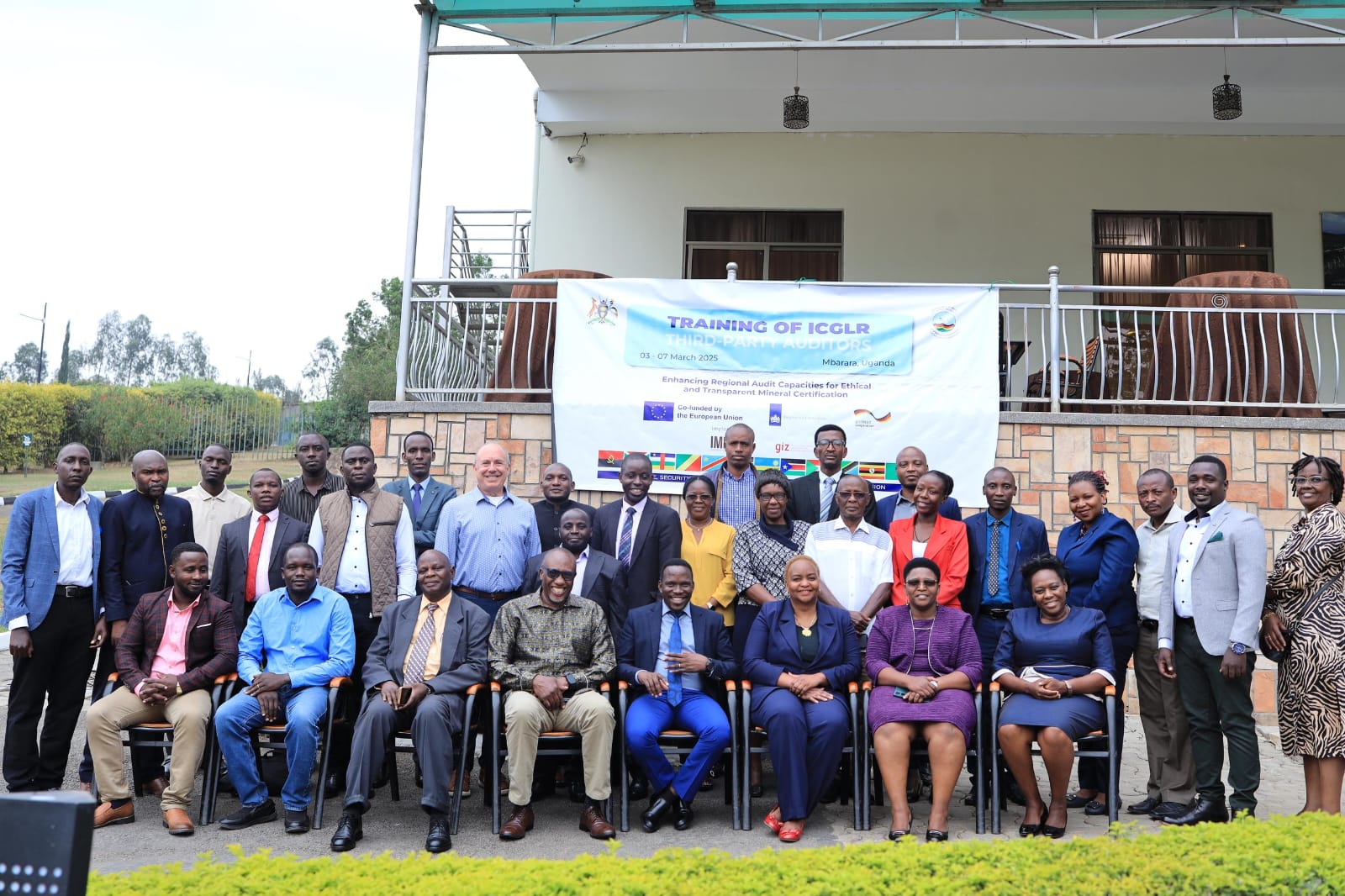
Story
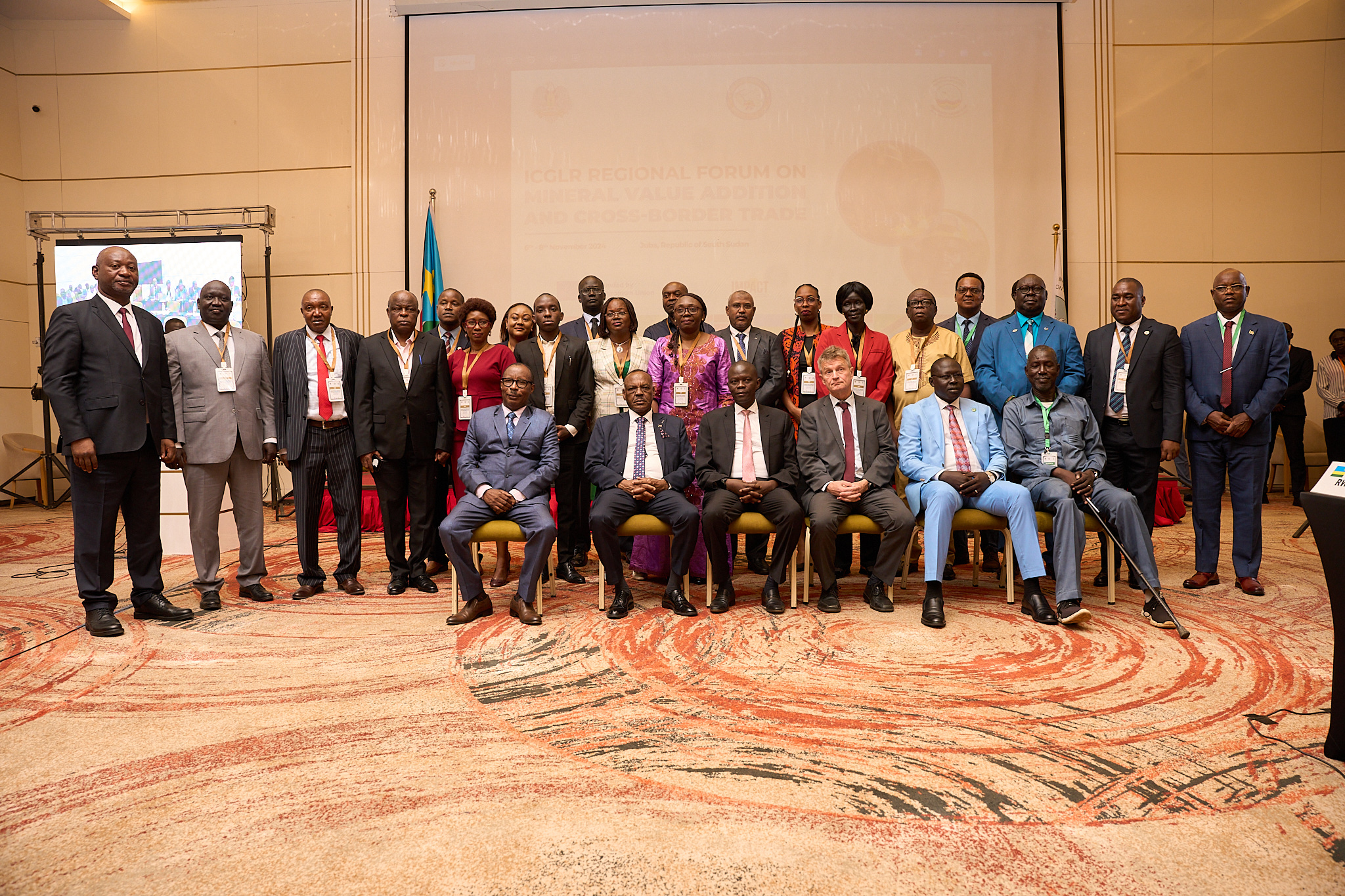
Stakeholders from Mining Sector Gather to Discuss Value Addition in Great Lakes Region
In recent years, the push for “value addition” in mineral supply chains has gained momentum globally, and the Great Lakes Region of Africa is no exception. While various groups can […]
Read More for Stakeholders from Mining Sector Gather to Discuss Value Addition in Great Lakes Region