
Goal
To reduce the use of mercury in Zimbabwe’s artisanal and small-scale gold mining (ASGM) sector through a holistic, multisectoral, integrated formalization approach, and to increase access to traceable gold supply chains and finance for adoption of sustainable mercury free technologies.
The Context
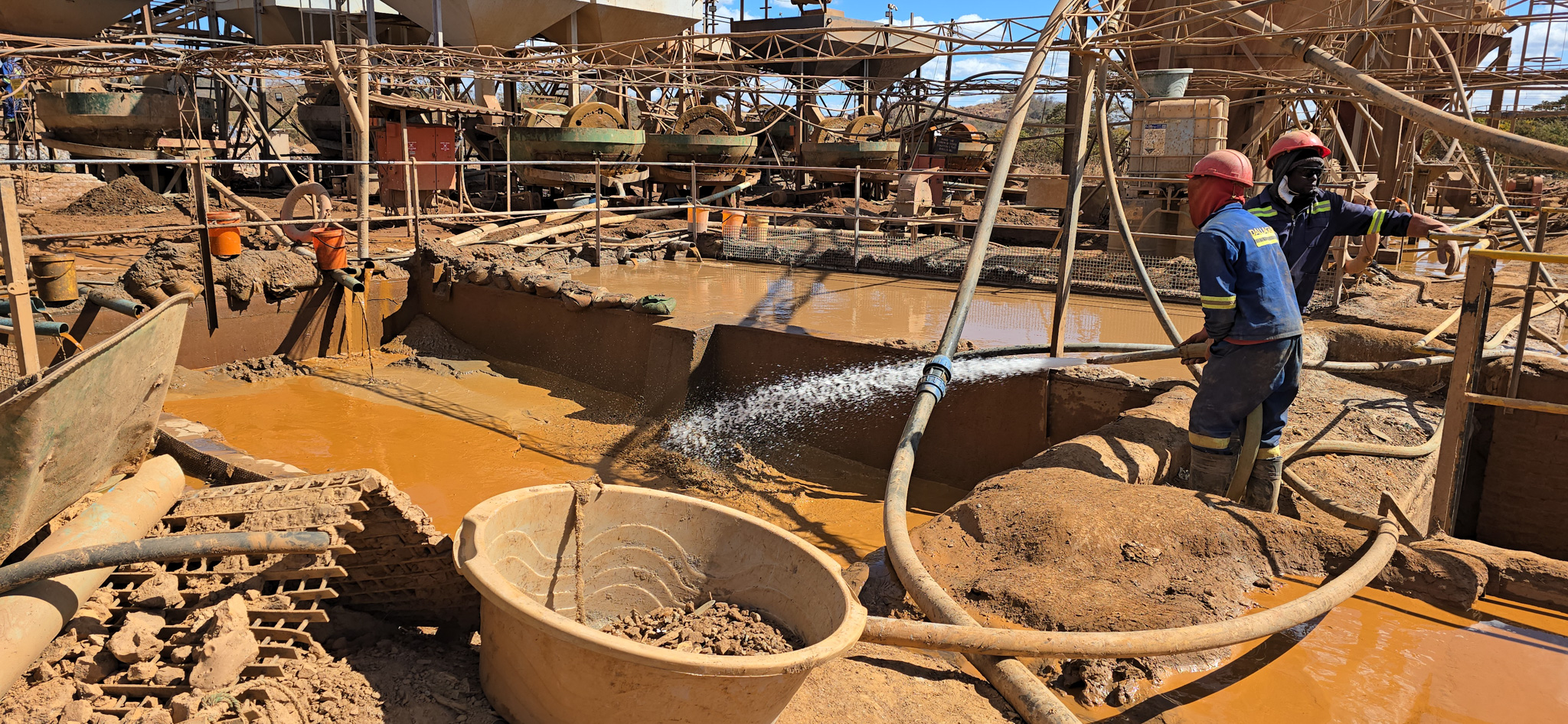
The ASGM sector in Zimbabwe has grown steadily since the 1990s, driven by economic instability, hyperinflation, and widespread unemployment. Once responsible for just 10 percent of the country’s gold output, the sector now supports over 300,000 people, both men and women, making it a vital economic lifeline for many. ASGM activity is concentrated in four provinces: Midlands, Mashonaland West, Matabeleland South, and Mashonaland Central. Together, these regions account for more than 60,000 miners working across nearly 840 processing sites.
This growing dependence on ASGM comes with significant risks.
The sector remains largely informal, with limited regulation, weak enforcement, and serious environmental costs. Mercury is used at more than 96 percent of mine sites. Women, who often work in the processing and washing, face higher exposure risk to this toxic substance, which poses long-term health impacts for themselves and their families.
Despite its economic contribution, formalization remains uneven. In 2018, ASGM accounted for 65 percent of gold purchases by the state-owned Fidelity Gold Refinery, yet gaps in oversight continue to undermine safety and environmental standards and drive mercury pollution.
For the sector to offer a truly sustainable source of income, the focus must now shift. Zimbabwe’s government is committed to support a more responsible sector and eliminating mercury use across artisanal gold mining, as part of its commitments under the Minamata Convention.
What We Are Doing
The planetGOLD Zimbabwe project is working to reduce mercury use by 4.85 tonnes and directly support 7,500 men and women across 11 Districts.
The planetGOLD Zimbabwe project is supported by the Global Environment Facility (GEF) and led by the UN Environment Programme (UNEP). The project is executed by IMPACT in close coordination with the Ministry of Mines and Mining Development, the Ministry of Environment, Climate and Wildlife and the Environment Management Agency.
The project will:
Optimize formalization of the ASGM sector
- In-depth research and engagement to support legislative and regulatory reforms
- Building to improve formalization of the ASGM sector
Promote financial inclusion and responsible supply chains
- Support ASGM actors to improve credit profile and access to finance
- Support ASGM actors to engage with national and financial sectors
Train national ASGM specialists on implementation and scaling of best practices, including mercury-free technologies and formalization
- Sensitize miners on risks of mercury use
- Capacity building of ASGM actors to use mercury-free processing techniques
Educate, raise awareness, and transfer knowledge to the global ASGM community
- Share knowledge and information in Zimbabwe to support better management of the ASGM sector
- Create knowledge products and tools for the planetGOLD programme
*This information was originally published by planetGOLD Zimbabwe. For more details, visit the planetGOLD website.
Project Stories
Publication
New Publication Calls for Reforms to Zimbabwe’s Proposed Mining Bill to Support Artisanal Gold Miners
Zimbabwe’s mining sector stands at a turning point. The new Mines and Minerals Bill 2025 offers a long-overdue update to laws that have guided the industry since 1961. After more […]
Read More for New Publication Calls for Reforms to Zimbabwe’s Proposed Mining Bill to Support Artisanal Gold Miners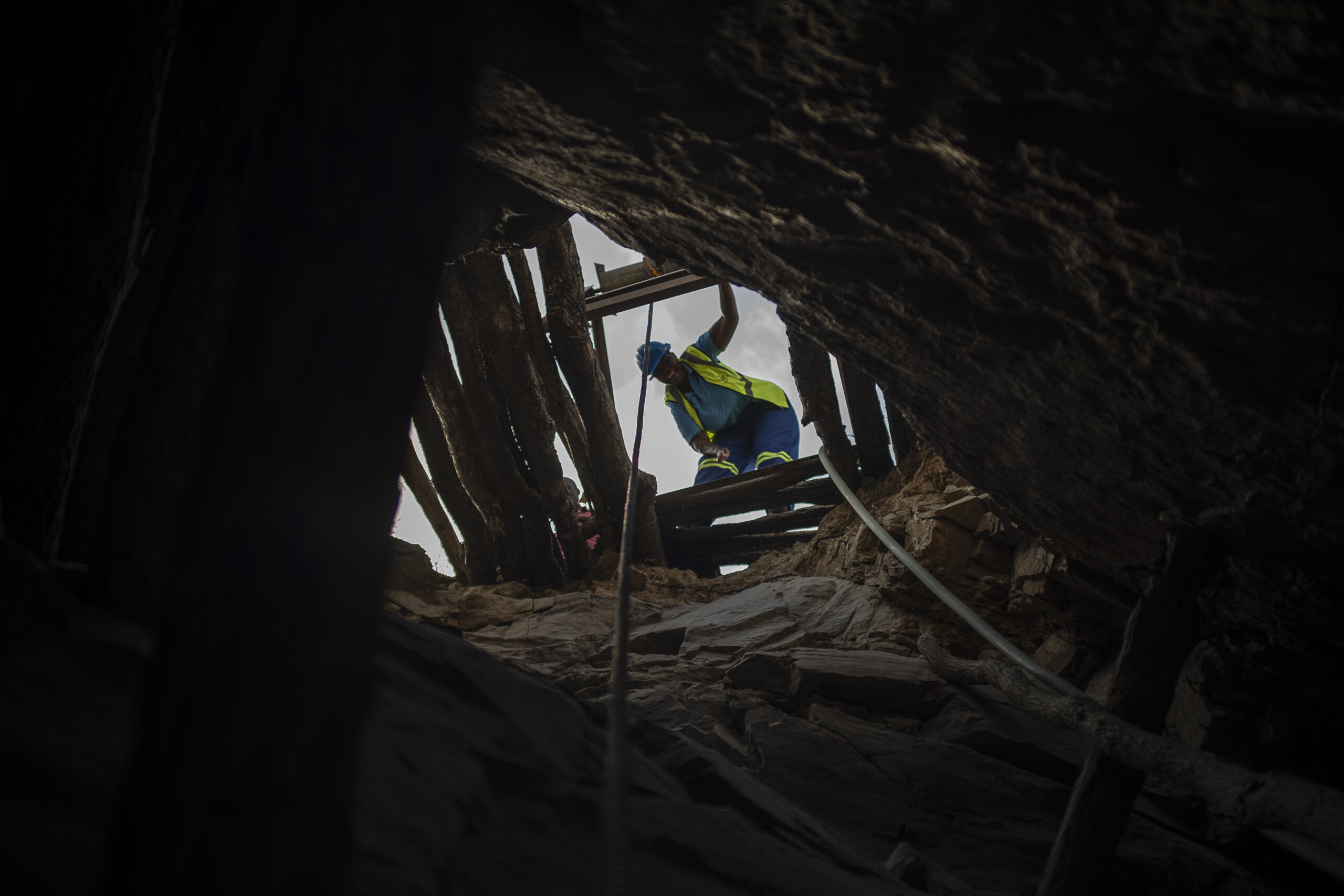


Analysis Commentary
Making Mercury History in Côte d’Ivoire, Uganda and Zimbabwe
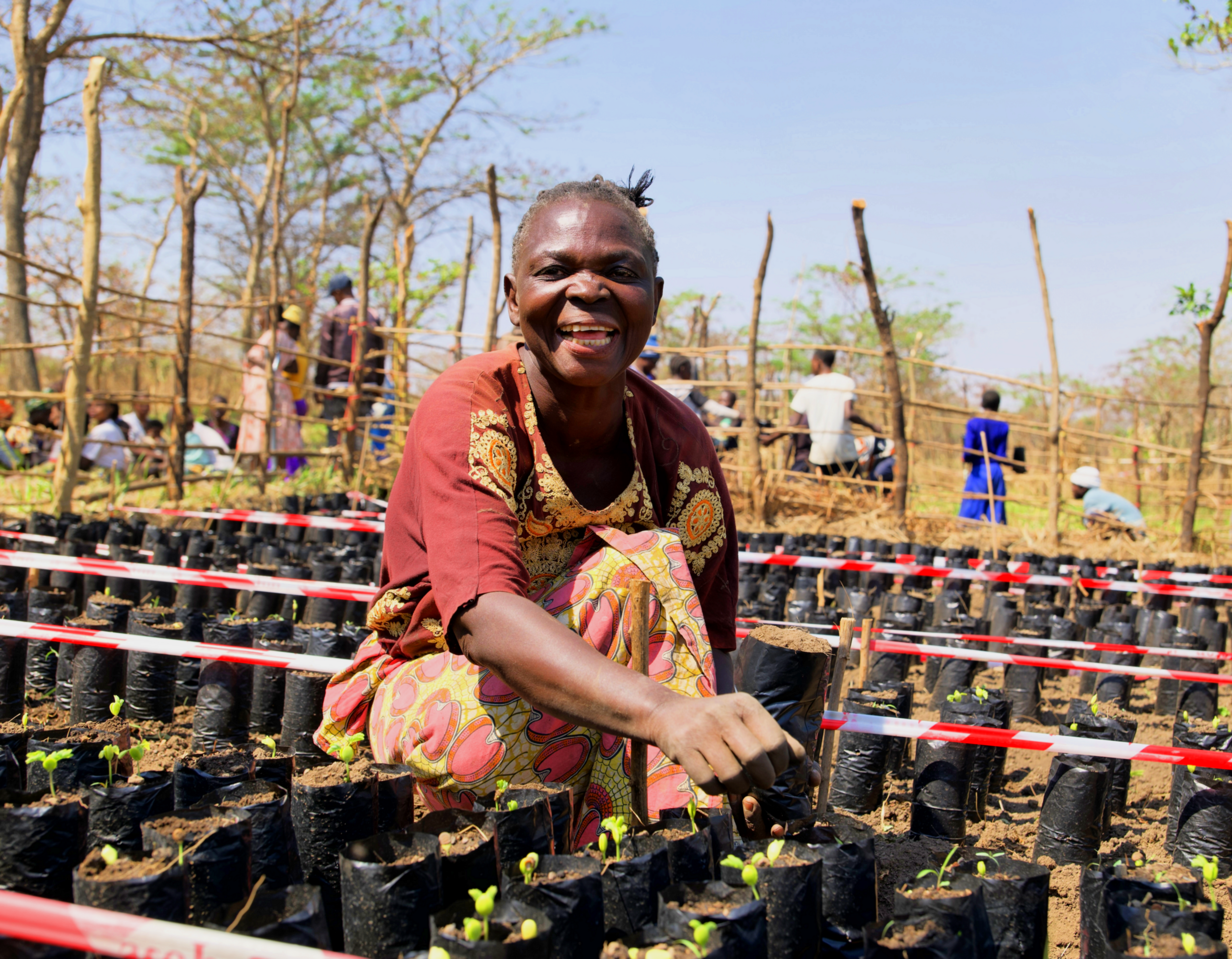
At dawn in Uganda’s Kassanda District, Aisha, an artisanal gold miner and cooperative member, prepares for another day of work. For years, mercury was a constant in her daily routine—affordable, […]
Read More for Making Mercury History in Côte d’Ivoire, Uganda and Zimbabwe