Goal
To strengthen the resilience of communities affected by artisanal and small-scale gold mining Côte d’Ivoire.
The Context
Along the border between Burkina Faso and Côte d’Ivoire, artisanal and small-scale gold mining is experiencing rapid growth but remains largely informal.
Many artisanal mining actors have a poor understanding of how to comply with recognized standards and legal frameworks—and the sector’s commercial viability is uncertain. Adding to these obstacles is the complexity and lack of awareness of international due diligence standards, which limits access to the legal market.
This informality leads to a reliance on illicit channels, which has a detrimental impact on the social cohesion of these communities—and makes them more vulnerable to conflict and insecurity.
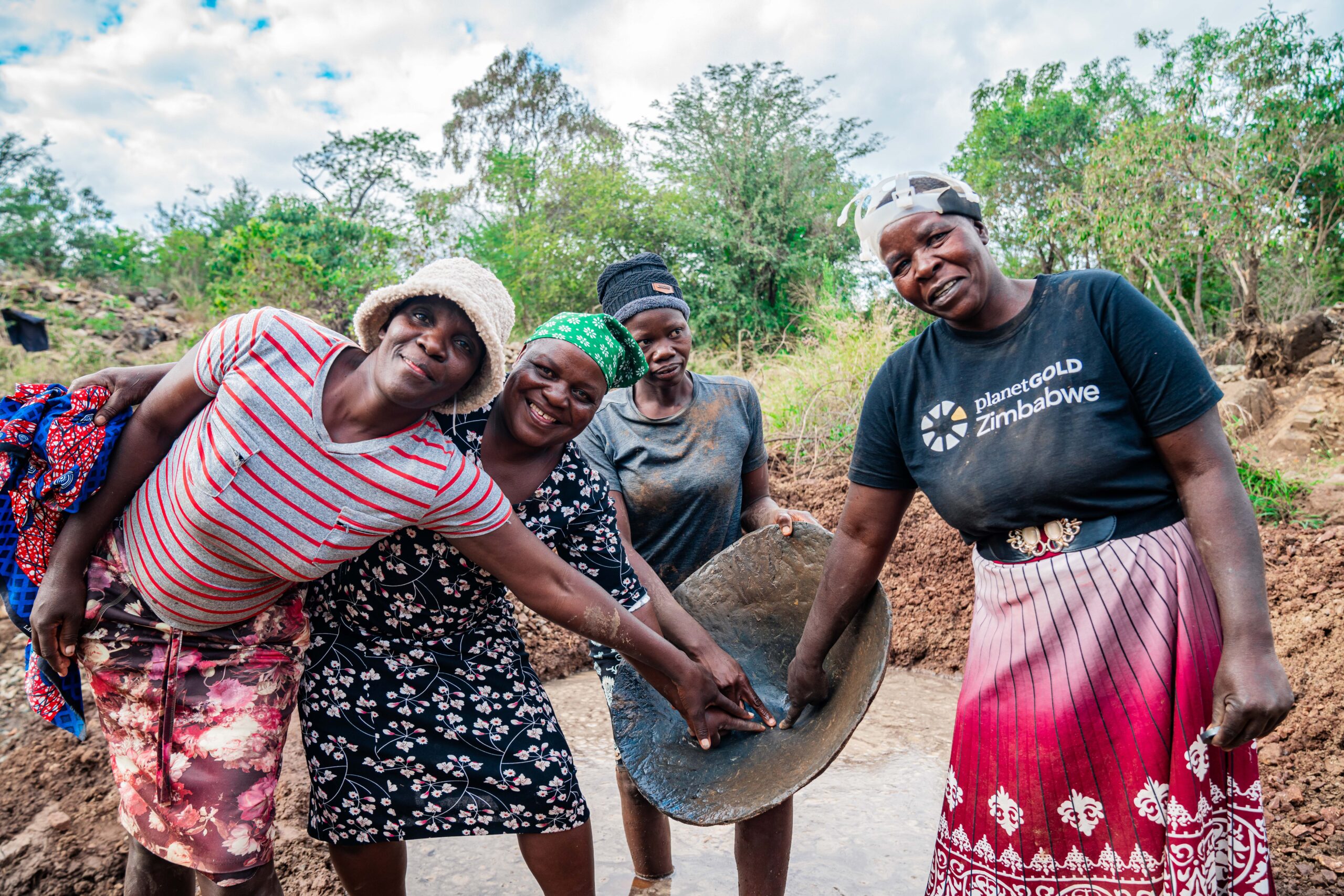
Women, although they represent a significant portion of the sector’s workforce, face additional challenges.
Gold mining is a crucial economic sector and a potential driver of development, but its lack of compliance with national legal frameworks and international standards, as well as the lack of financial inclusion contributes to conflict dynamics in the region. To address these challenges, the path to formalization must be as transparent and commercially viable as possible for artisanal mining actors, while ensuring social inclusion within their community.
What We Are Doing
The Foundations for Solidarity project aims to strengthen the resilience of artisanal mining communities, particularly women, to achieve greater security and socio-economic stability. The project will support artisanal mining actors to comply with national and international standards, giving them access to more responsible and formal supply chains, as well as financing. It will also contribute to strengthening women’s economic empowerment and leadership, while fostering community cohesion and social trust.
Interventions will be implemented in three complementary areas: compliance with national and international standards, clarification of tax requirements, and women’s financial inclusion. Through this three-component approach, artisanal mining sites in Côte d’Ivoire will become more effective drivers of formal and inclusive community economic development. Ultimately, the project will promote the cohesion and resilience of artisanal mining communities through a participatory and inclusive process involving all stakeholders.
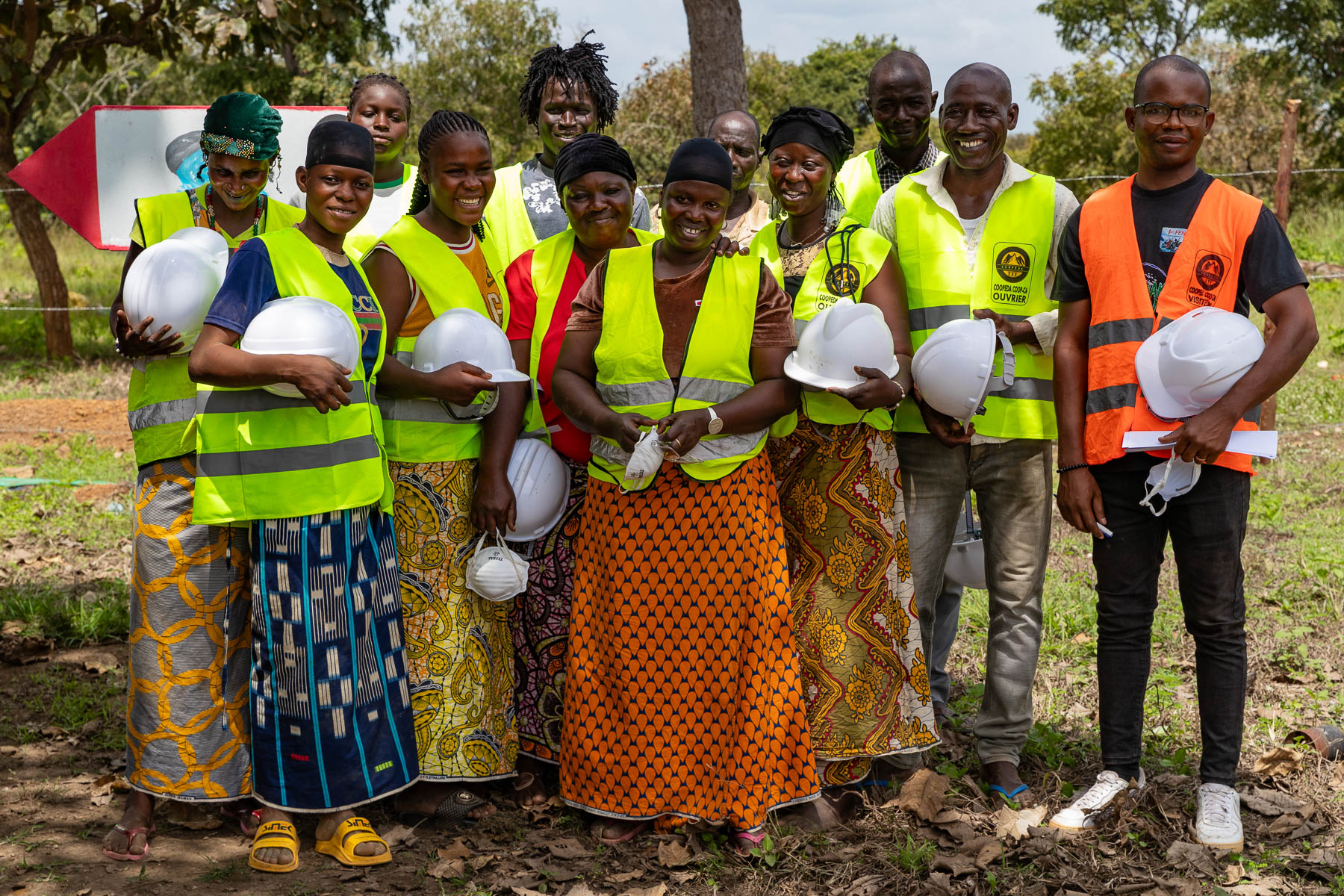
These initiatives will target 14 mining sites in the Bounkani (Bouna) and Hambol (Dabakala) regions of Côte d’Ivoire, directly supporting approximately 1,000 artisanal miners.
The project will:
- Support artisanal miners to comply with national and international standards. Once familiar with these standards, mining cooperatives will be better equipped to comply with and access formal markets.
- Improve understanding of the tax framework to promote compliance in the artisanal mining sector. In Côte d’Ivoire, miners and authorities will have access to an analysis of the current tax and regulatory framework for the artisanal gold sector. This tool aims to provide greater clarity on payments owed by mining operators to encourage compliance. A participatory regional study on illicit gold flows will also be conducted to understand challenges and promote legal trade.
- Strengthen the financial inclusion and decision-making power of women in the artisanal mining sector. Women in artisanal mining communities will strengthen their economic power through village savings and loans associations (VSLAs) and play a leading role in their communities.