
Goal
To reduce the use of mercury in Côte d’Ivoire’s artisanal and small-Scale gold mining (ASGM) sector through a holistic, multi-sectoral and integrated formalization approach, and to improve access to traceable gold supply chains and financing for the adoption of sustainable mercury-free technologies.
The Context
The ASGM sector in Côte d’Ivoire has been steadily growing for the past 20 years, with the number of miners increasing 20-fold over the period. At the same time, mercury use in the sector contributes to contamination of the environment, including fish, posing significant health concerns for local people.
ASGM has become a lifeline for many communities across Côte d’Ivoire. Especially during long dry seasons and times of natural disaster, it provides an alternative source of income when other options fall short. ASGM activities take place in 24 of the country’s 31 regions, employing more than 500,000 people. Nearly 300,000 of them work in the north alone.
Young people form the backbone of the sector, making up over 85 percent of the workforce at these sites. However, mercury use is common, with nearly 10 tonnes used each year to produce just 7 tonnes of gold. Field studies have confirmed the use of highly dangerous practices, such as whole ore amalgamation, open burning of amalgam, and the burning of mercury in residential areas. In some sites, cyanide is applied to tailings that still contain mercury, compounding the threat to both health and the environment.
The government has recognized the need for change. It has committed to reducing mercury use and promoting responsible, legal ASGM operations. A national initiative is underway to support miners through vocational training and to help bring informal sites into formal systems.
What We Are Doing
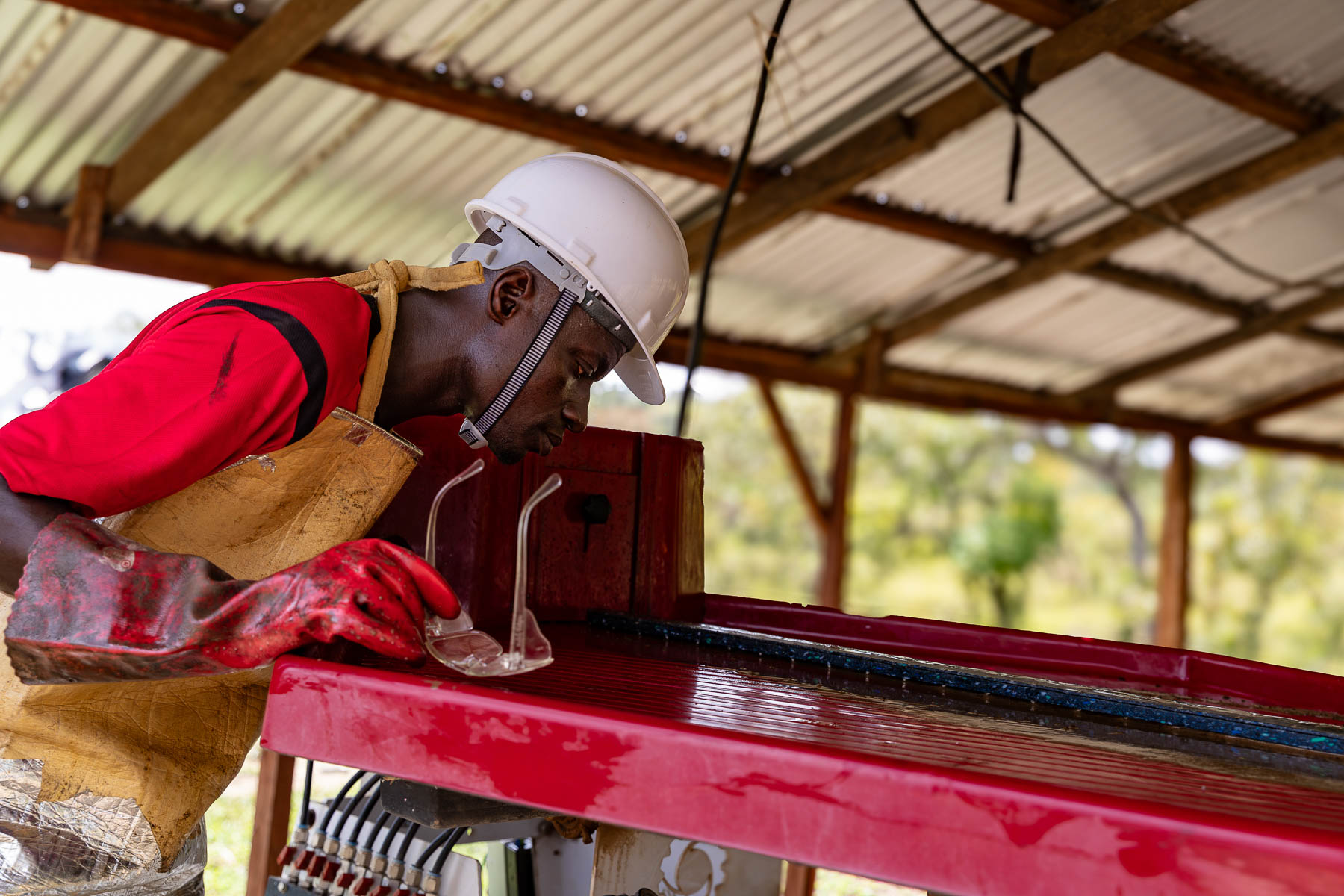
The planetGOLD Côte d’Ivoire project is working to reduce mercury use by 4.5 tonnes, directly supporting approximately 4,000 artisanal gold miners across four major ASGM areas.
The planetGOLD Côte d’Ivoire project is supported by the Global Environment Facility (GEF) and led by the UN Environment Programme (UNEP). It is executed by IMPACT and the Centre Africaine pour la Santé et l’Environnement (CASE).
The project will:
- Optimize formalization of the ASGM sector
- Increase capacity of the government and other national stakeholders to formalize the ASGM sector
- Support mining vocational training schools to roll-out programs in alignment with the government’s ASGM formalization strategy
- Promote lessons learned from piloting the jurisdictional approach to inform government policy related to ASM/LSM
- Increase access to financing for Côte d’Ivoire mining cooperatives
- Share opportunities and challenges for ASGM access to finance in Côte d’Ivoire
- Support nascent/early-stage cooperatives to improve their “credit profile” to access finance
- Support ASGM cooperatives to engage with international market actors
- Enhance uptake of mercury-free technologies
- Support miners in Côte d’Ivoire to adopt mercury-free processing techniques
- Sensitize ASGM miners and communities on the health and environmental risks of mercury usage
- Provide capacity building to ASGM miners and communities to use mercury-free technologies
- Knowledge and information produced through the project leads to better management of the ASGM sector in Côte d’Ivoire
- Develop knowledge products and tools, making them available nationally
- Develop knowledge products and tools, making them available through the planetGOLD programme
*This information was originally published by planetGOLD Côte d’Ivoire. For more details, visit the planetGOLD website.


Analysis Commentary
Making Mercury History in Côte d’Ivoire, Uganda and Zimbabwe
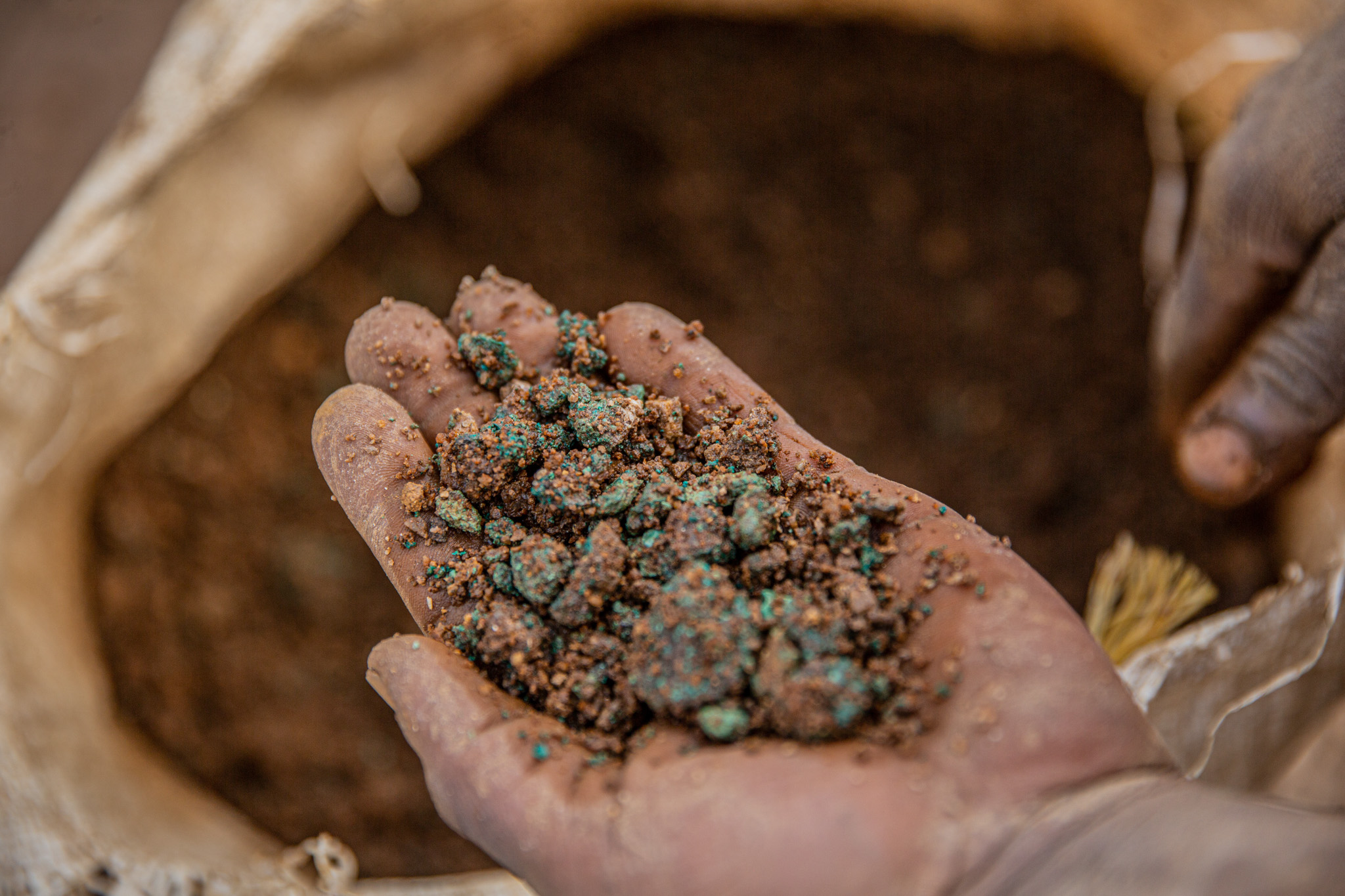
At dawn in Uganda’s Kassanda District, Aisha, an artisanal gold miner and cooperative member, prepares for another day of work. For years, mercury was a constant in her daily routine—affordable, […]
Read More for Making Mercury History in Côte d’Ivoire, Uganda and Zimbabwe