Goal
To improve the governance of supply chains for conflict-prone and high-value minerals, while promoting legal trading routes in the Great Lakes region. The project would allow for the export of minerals meeting conflict-free standards into the international market.
The Context
Although the Great Lakes region is endowed with considerable mineral wealth, these countries have failed to draw significant economic and social benefits from the sector, due in large part to illegal activity in the mineral sector. Moreover, proceeds generated by the illegal exploitation of the high value minerals, such as tantalum, tin, tungsten and gold have been used to sustain violence and instability in the region.
The international community has responded by demanding more responsible and transparent supply chains, developing responsible sourcing standards to ensure a global trade in conflict-free minerals. Improving natural resource governance in the Great Lakes region is critical to maximize the development potential of the extractives sector and breaking the link between mineral trade, conflict and human rights violations.
What We Are Doing
This project seeks to improve the governance of supply chains for conflict-prone and high-value minerals such as gold, tin, tungsten, and tantalum in the Great Lakes region of Africa. The project aims to foster conditions for artisanal mining communities to derive benefits from the sector and ensure responsibly-sourced minerals contribute to improved security, as well as more equitable and sustainable development.
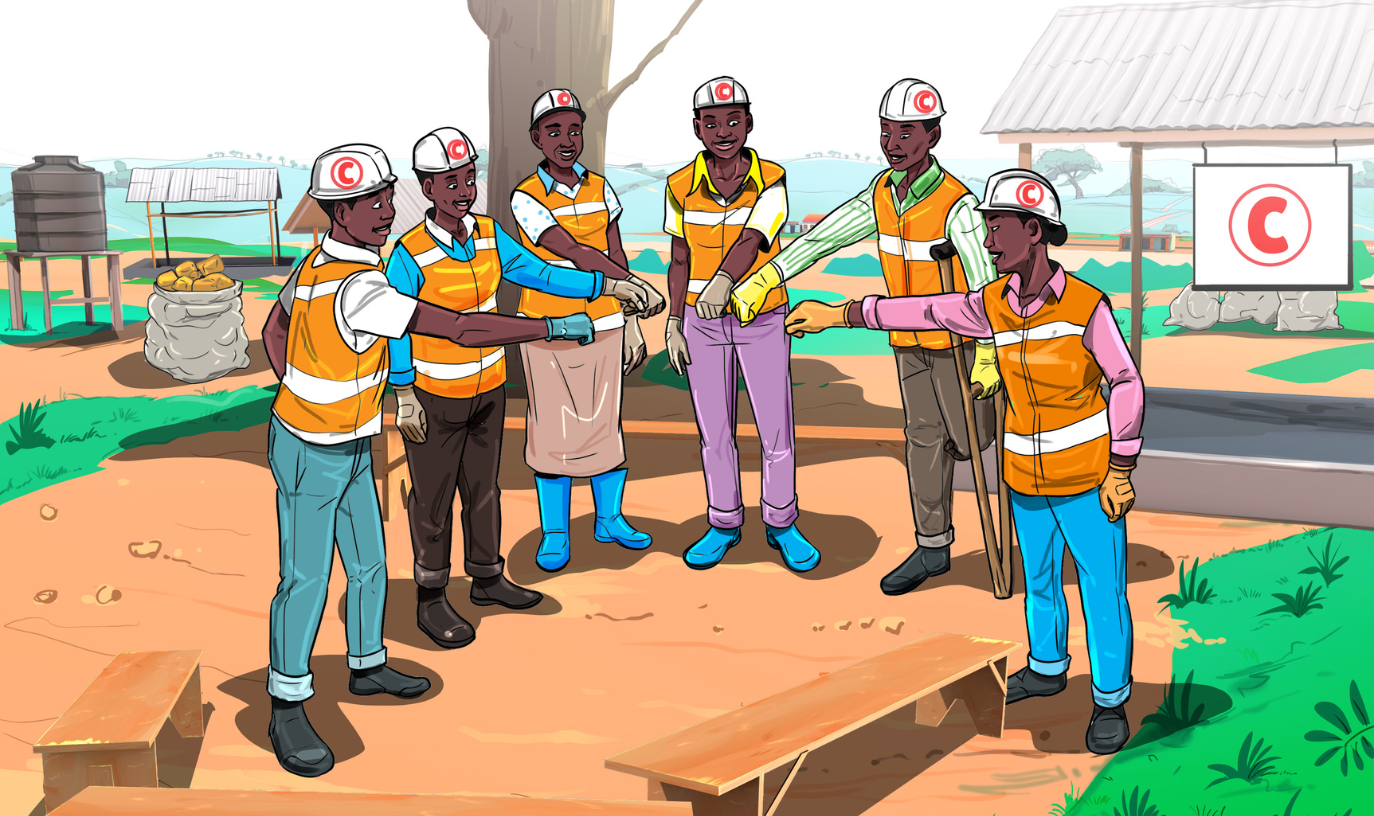
The project aims to increase the technical ability of policymakers, private sector, civil society and artisanal miners to implement and comply with regional and international standard for conflict-prone minerals. These standards help guarantee that minerals are extracted, transported and processed in a responsible and transparent manner, ensuring the export of “conflict-free” minerals into the international marketplace.
The project provides training, technical assistance and research to:
- increase the capacity of regional bodies, states, and private sector actors to implement and comply with regional certification and due diligence mechanisms applicable to conflict-prone minerals in seven countries of the Great Lakes region;
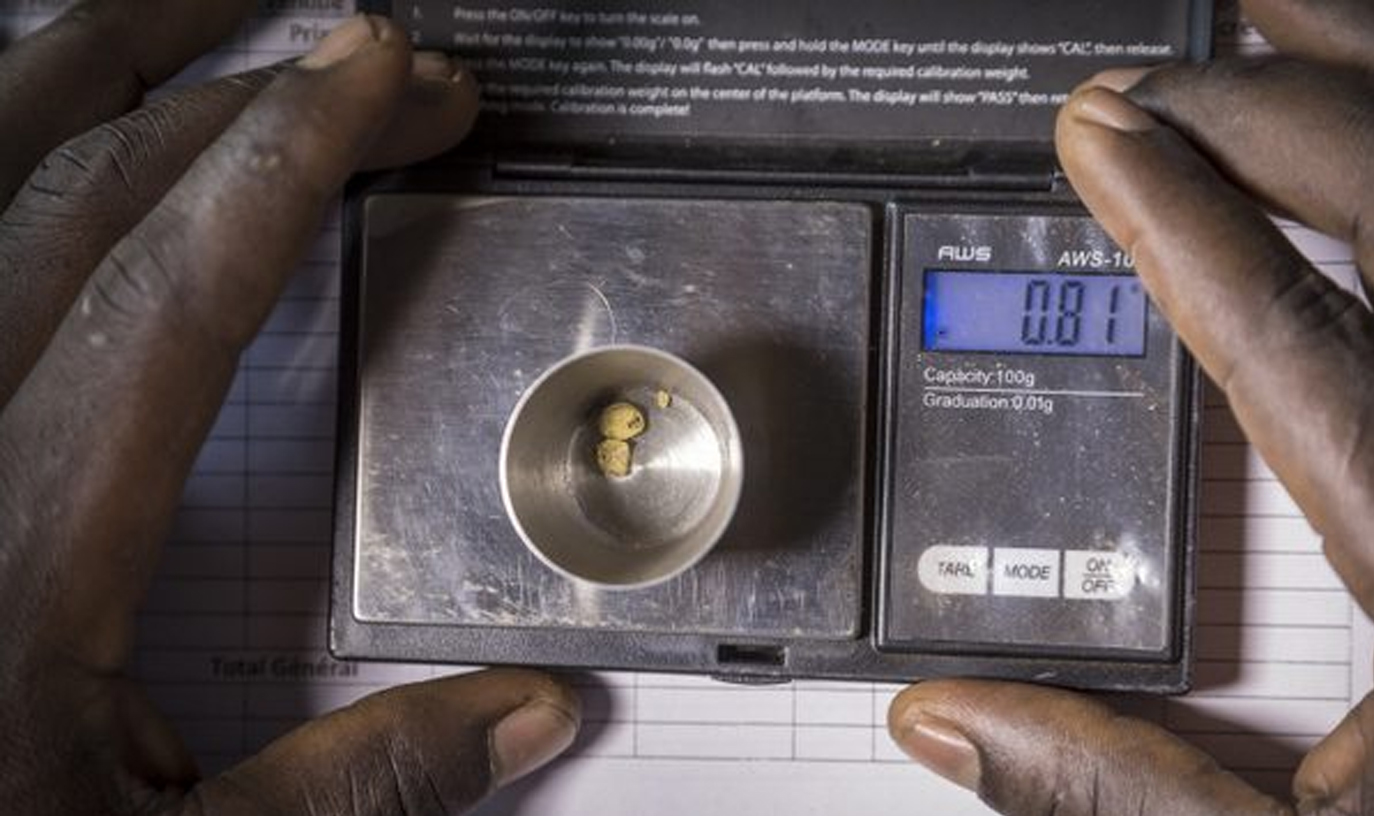
- increase willingness of gold buyers to explore models for collaboration to trade in responsibly-sources artisanal and small-scale mined (ASM) gold from a minimum of two sites in the Democratic Republic of Congo;
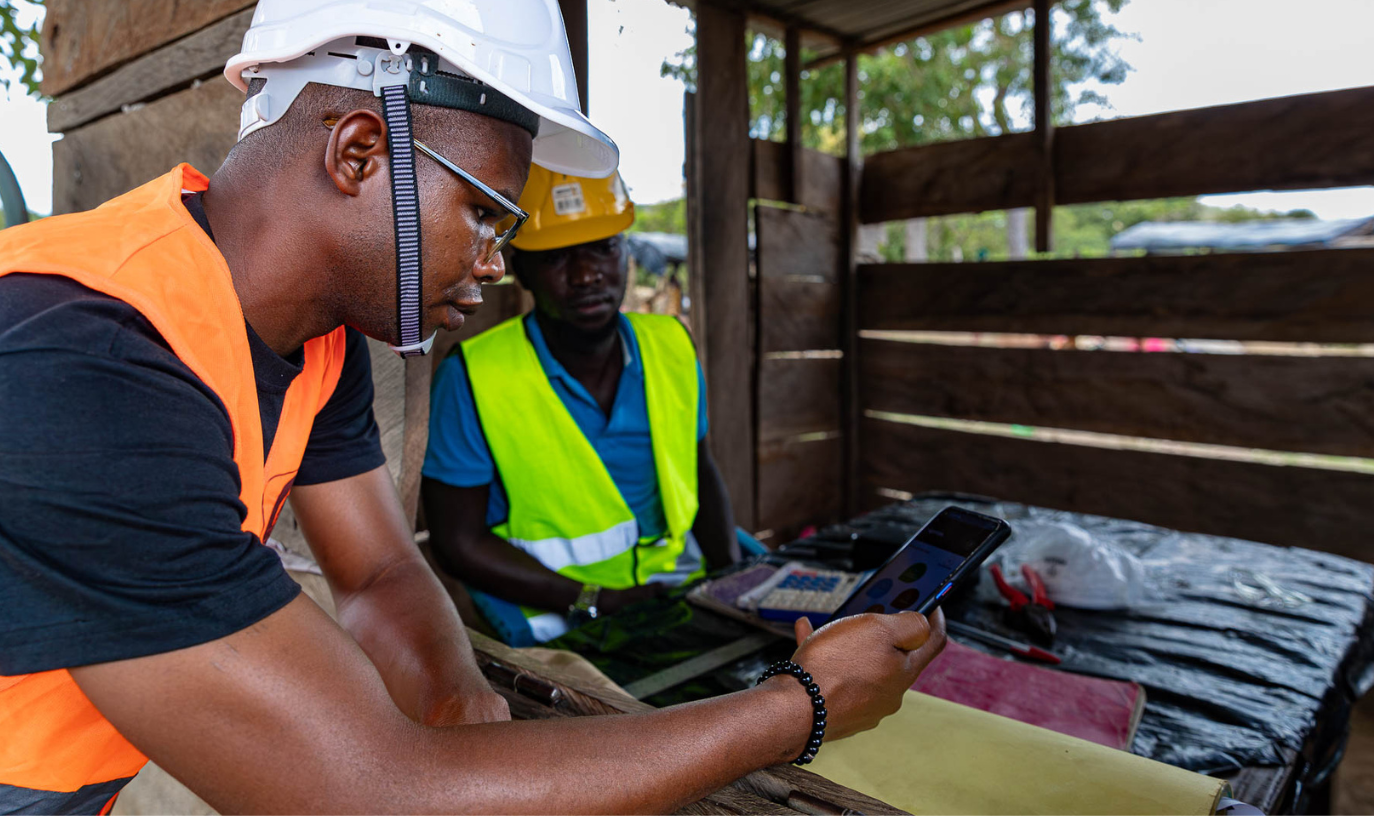
- increase willingness of ASM producers to participate in the formal economy (i.e. formalization) and to allow for their gold to be tracked in a minimum of three sites in the DRC;
- increase sensitivity to relevant policies and practices aimed at reducing the illicit trade in minerals in the Great Lakes region by ICGLR governments and other relevant stakeholders;
- increase capacity of civil society organizations to promote, monitor and report on responsible mineral supply chains in the Great Lakes region at regional, national, and local levels;
- increased sensitivity of decision makers and of women and men to gender equity in a minimum of two ASM communities in DRC; and
- increase exposure by decision makers and increased understanding by gold miners in two ASM communities in DRC of the negative environmental impacts of ASM gold mining and of techniques to mitigate risks identified
Project Stories
Press Releases & News
Illicit Gold Trade Thrives with Impunity in the Democratic Republic of Congo
New report exposes how known traders and exporters are circumventing legal channels and pocketing massive profits from smuggled artisanal DRC gold Ottawa, Canada—Thursday, September 17, 2020 IMPACT’s newest report reveals […]
Read More for Illicit Gold Trade Thrives with Impunity in the Democratic Republic of Congo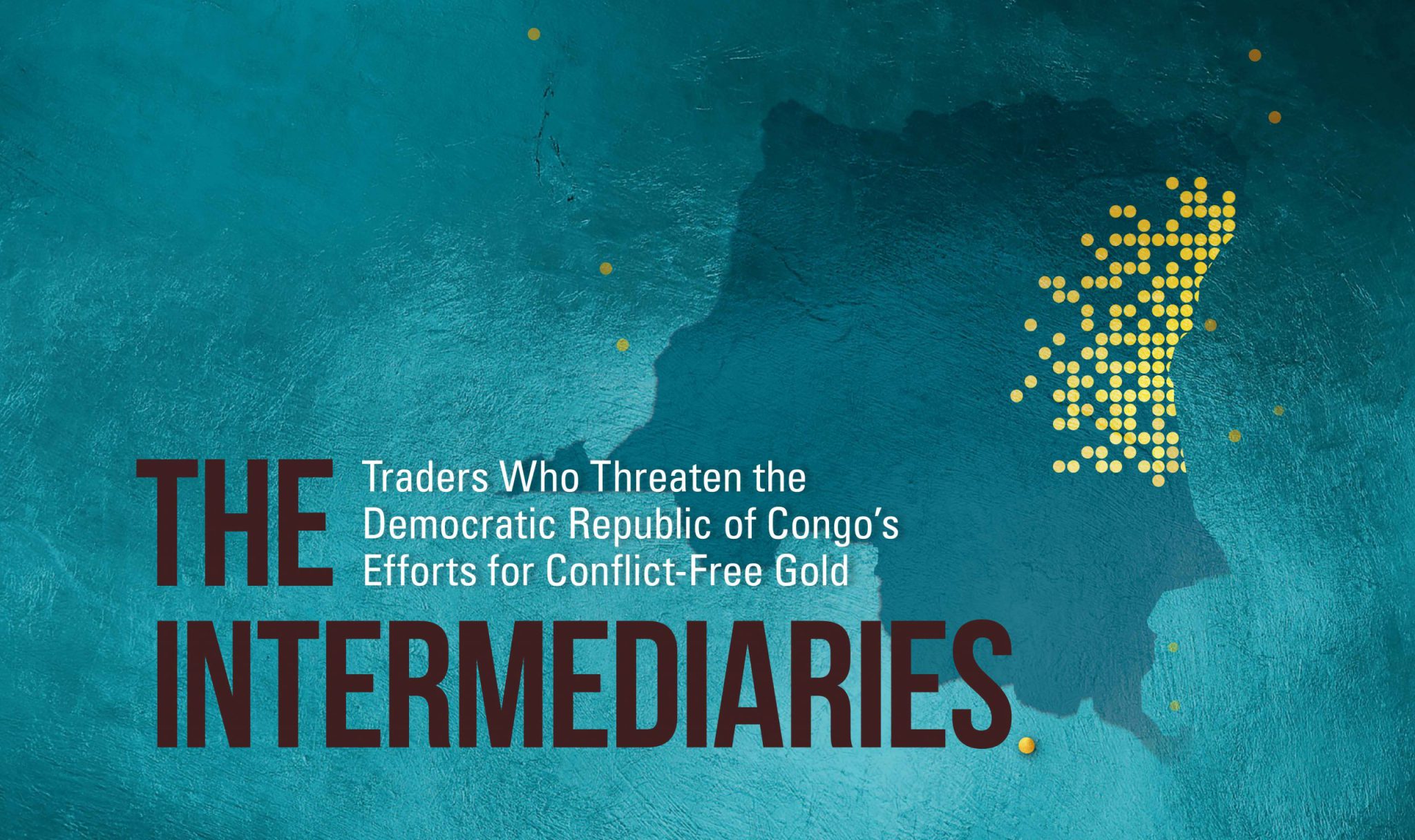
Press Releases & News
New Resource Helps Ensure Initiatives in Artisanal & Small-Scale Mining Advance Gender Equality and Women’s Empowerment
Well-intentioned initiatives can negatively impact women miners in artisanal mining communities Ottawa, Canada—December 8, 2020 Today, IMPACT launches a new resource to better integrate gender equality in initiatives related to […]
Read More for New Resource Helps Ensure Initiatives in Artisanal & Small-Scale Mining Advance Gender Equality and Women’s Empowerment
Press Releases & News
First Responsible and Conflict-Free Artisanal Gold Supply Chain Operational in Eastern Congo
The Just Gold project is the first to successfully trace conflict-free and legal artisanal gold from mine site to export applying regional and international standards May 17, 2017—Kinshasa, Democratic Republic […]
Read More for First Responsible and Conflict-Free Artisanal Gold Supply Chain Operational in Eastern Congo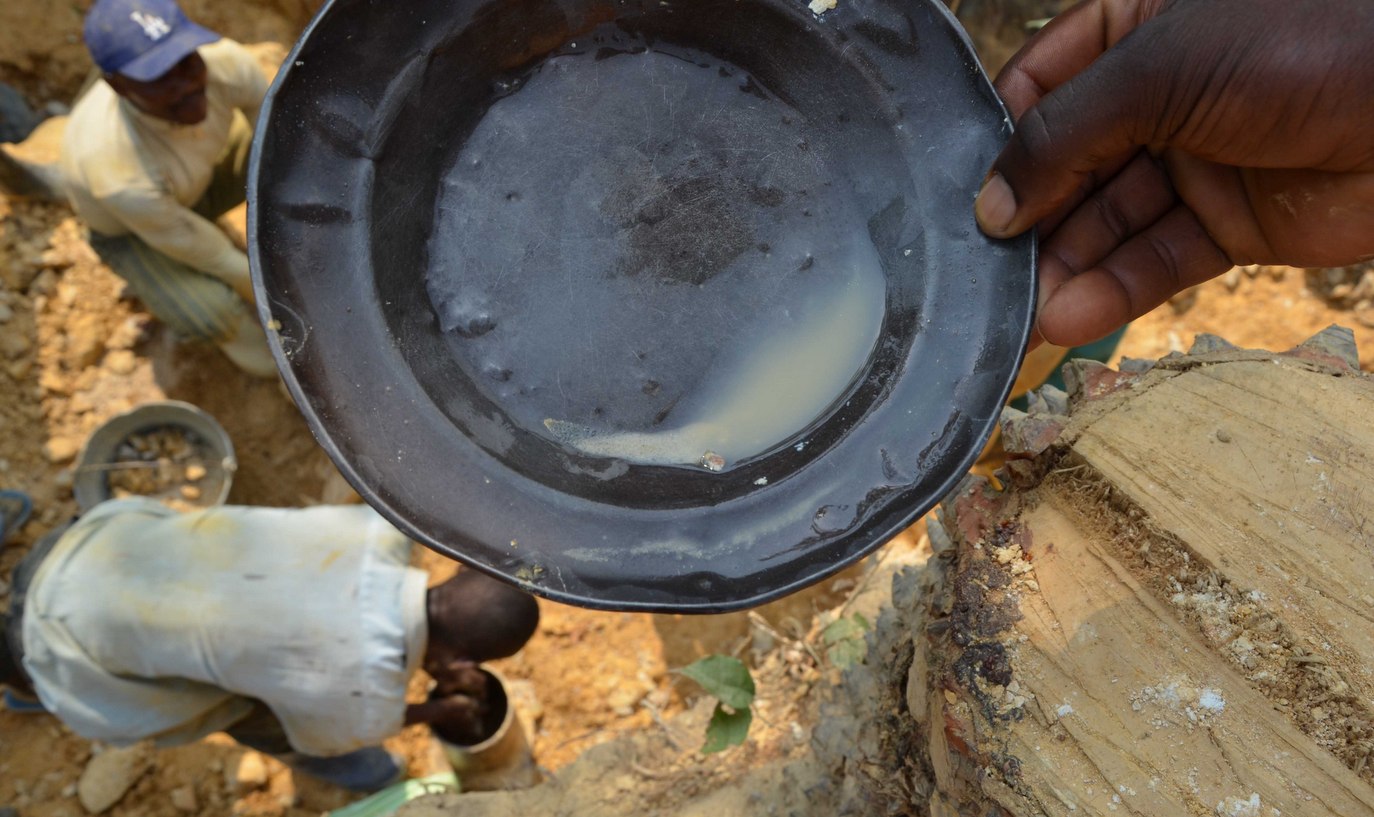
Story
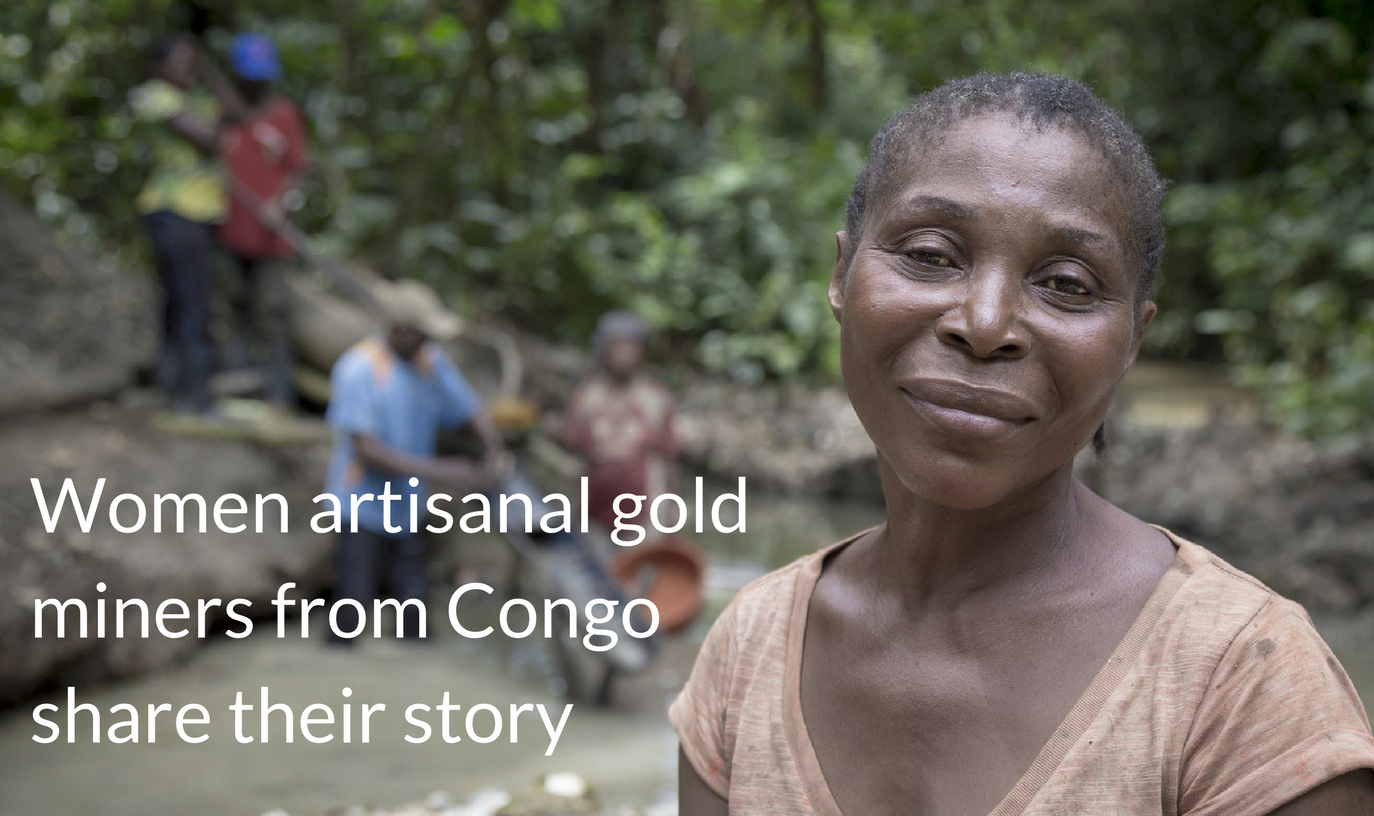
Meet Josephine and Zawadi: Women Artisanal Miners in Democratic Republic of Congo
Meet Josephine Kibondo and Moza Zawadi, two women artisanal gold miners in Democratic Republic of Congo’s Ituri Province. They share their stories of their life as artisanal miners and, while […]
Read More for Meet Josephine and Zawadi: Women Artisanal Miners in Democratic Republic of Congo